
Long-term
Watch Care
Guidance and support for servicing, ownership and long-term value.
Everyday
Protection
~ Keep it away from magnets
Modern watches can still be affected by strong magnetic fields from speakers, laptops, phone cases, handbags with magnetic clasps and other electronics. Magnetisation can make a watch run fast, slow or stop entirely. If you notice irregular timing, it may need to be demagnetised.
~ Avoid sudden temperature changes
Moving quickly between extreme heat and cold can affect lubricants inside the movement and may create condensation under the crystal. Let the watch adjust gradually to a new environment when possible.
~ Secure the crown
Many watches are only water-resistant when the crown is fully screwed down. Before washing your hands or going near moisture, check the crown is locked in place.
Cleaning &
Handling
~ Daily cleaning
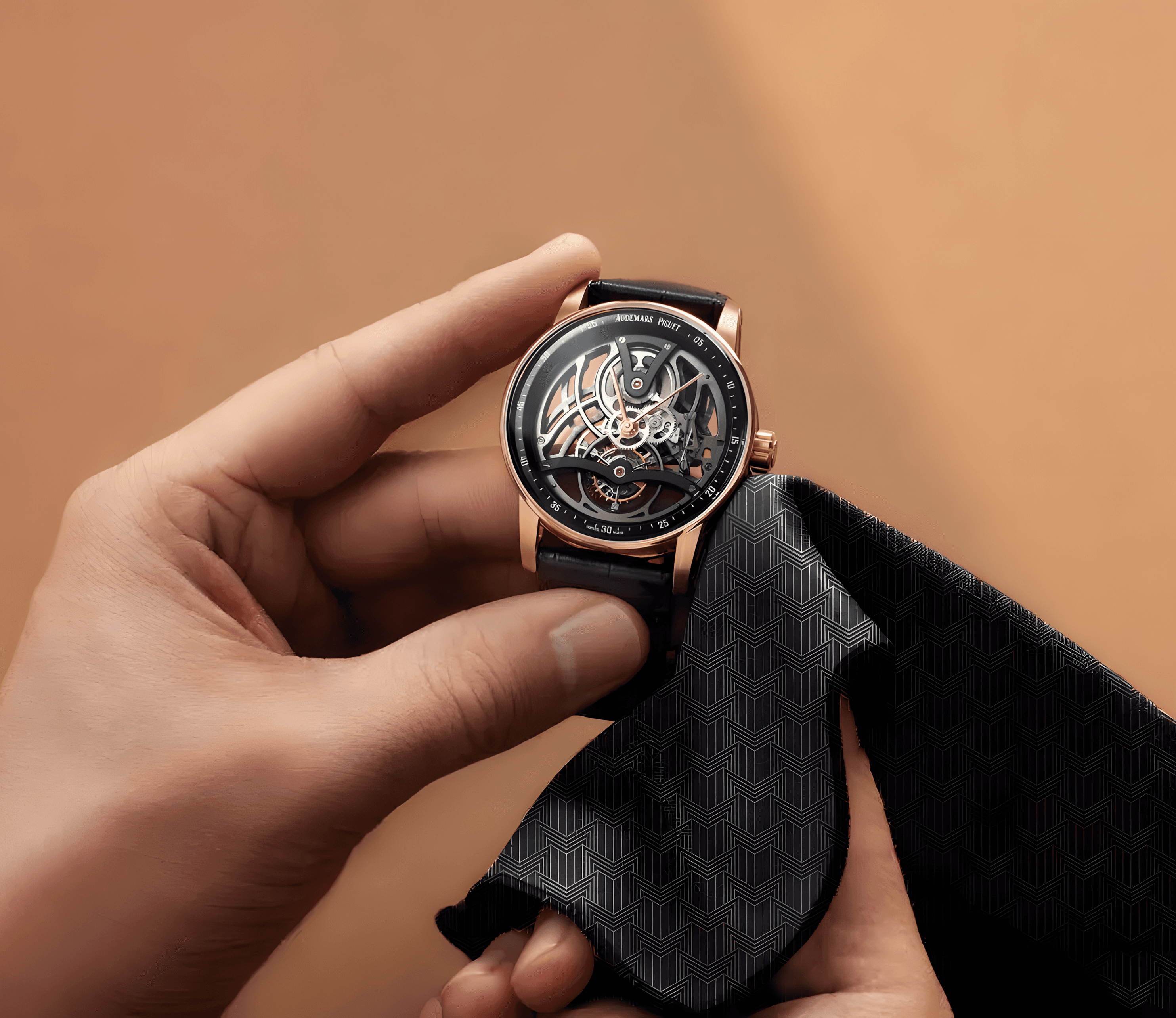
Wipe the watch with a clean microfibre cloth to remove fingerprints, dust and oils. This keeps the metal and crystal clear and helps prevent long-term build-up.
~ Bracelet care
Metal bracelets can collect dirt over time. Rinse under warm water occasionally and gently brush with a soft toothbrush if needed. Always dry thoroughly to prevent trapped moisture.
~ Leather strap care
Leather shouldn’t be soaked in water. Keep it away from moisture, perfumes and lotions. When not in use, allow leather straps to breathe and rest.
~ Avoid chemicals
Household cleaners, perfumes and sunscreen can damage metal finishes and seals. Keep the watch away from products that may stain or corrode.
Storage &
Security
~ Store it properly
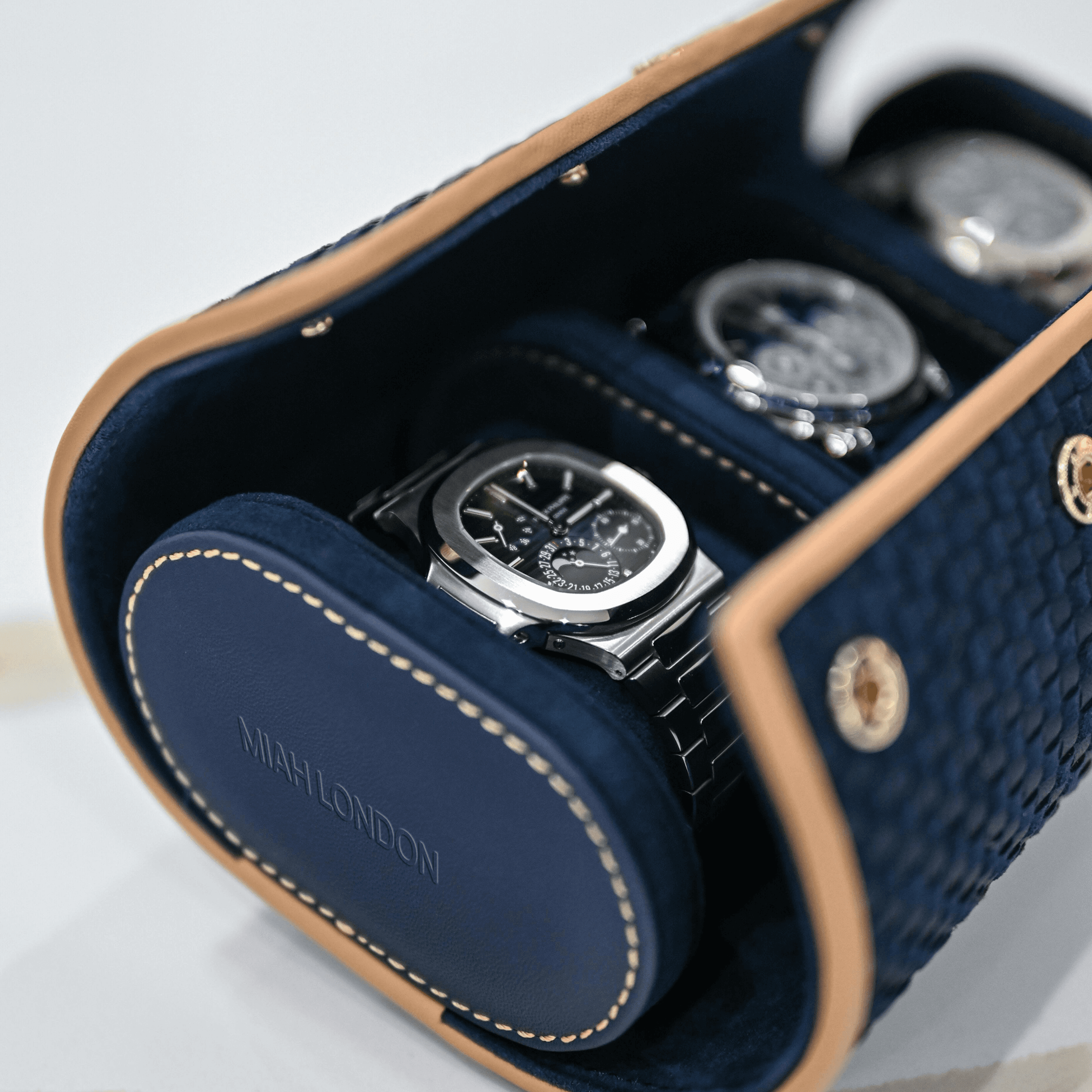
When the watch isn’t being worn, place it in a soft-lined box or watch roll. Avoid leaving it loose on a table or in a drawer where it can be scratched by other items.
~ Use a watch winder
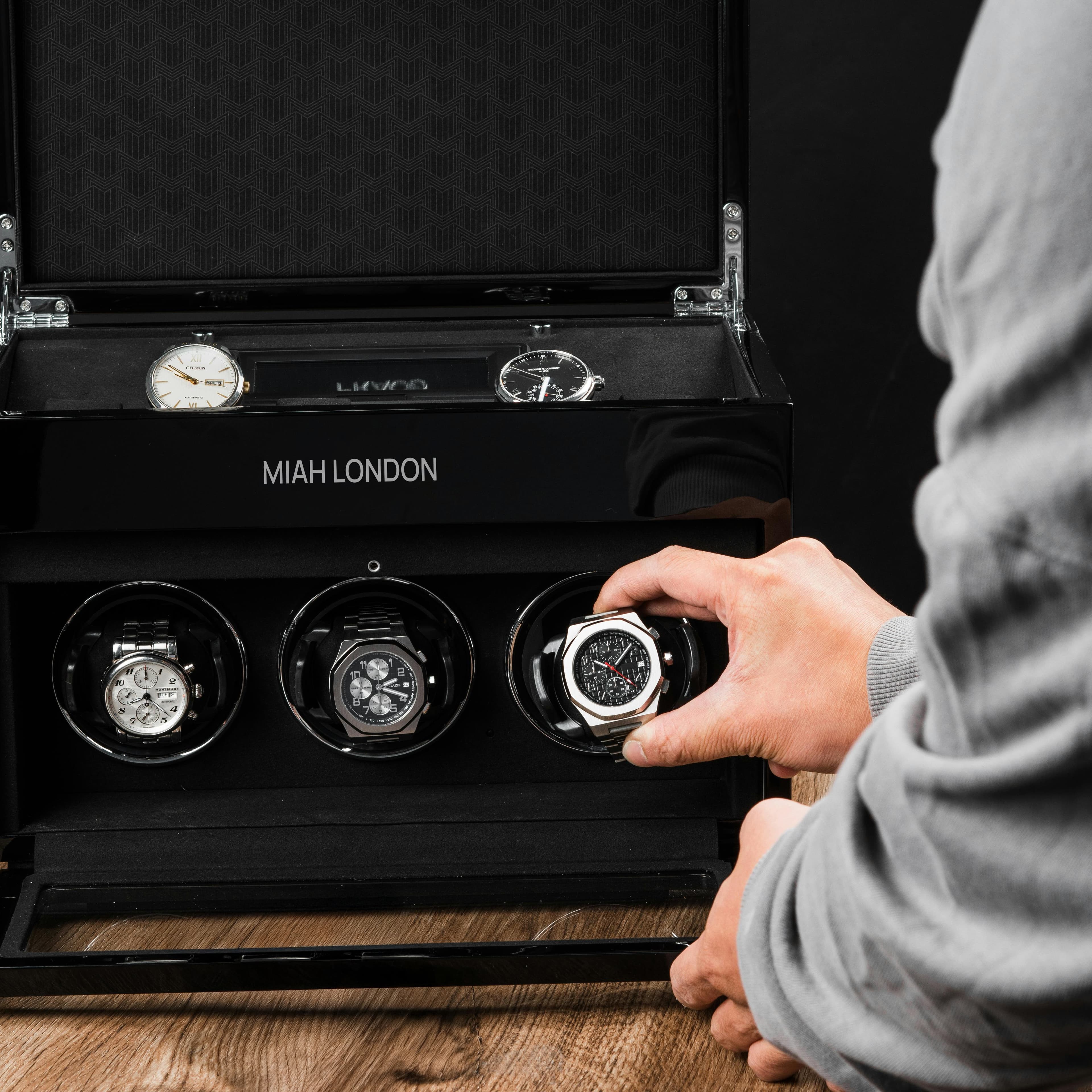
For automatic watches not worn regularly, a winder can help keep the movement active and the oils circulating. It’s optional, but useful for complex pieces with calendars or multiple complications.
~ Protect it during travel
Use a travel case with padding. Avoid putting the watch in checked luggage or loose inside a bag.
Servicing &
Maintenance
~ Service intervals
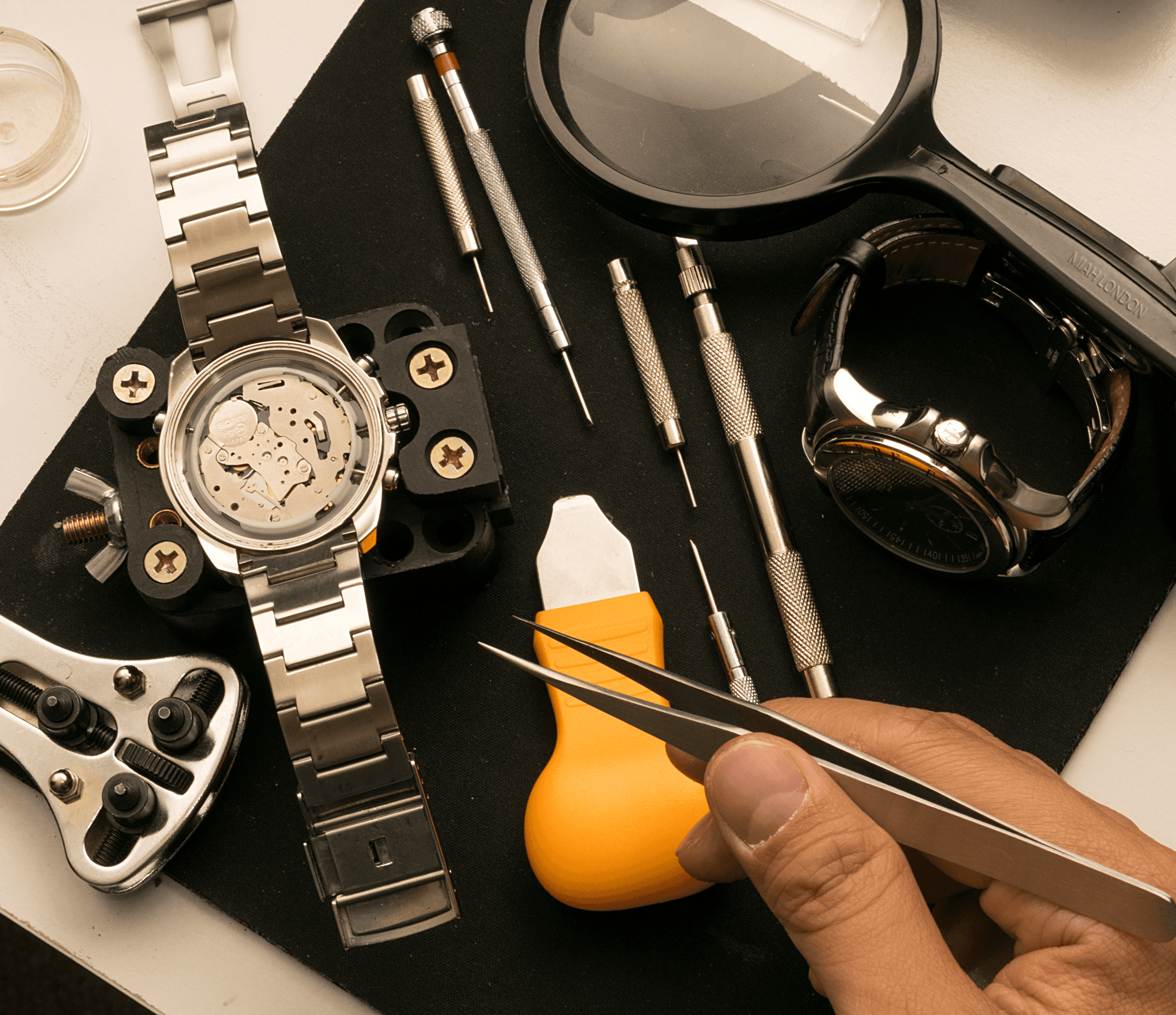
Most watches need a full service every four to seven years, depending on wear and the manufacturer’s guidance. Regular servicing keeps the movement clean, lubricated and accurate.
~ Signs it needs attention
Get the watch checked if you notice:
• Moisture or fog under the crystal
• Inconsistent timekeeping
• Difficulty winding or setting
• Unusual noises from the movement
Early attention prevents more serious damage.
~ Pressure testing
If you swim or dive with your watch, it should be pressure-tested periodically to ensure the seals are intact. This is especially important for older pieces.
Long-Term
Preservation
~ Rotate your watches
If you own multiple pieces, rotating them helps reduce wear on any single watch and keeps straps and bracelets in better condition.
~ Keep documentation safe
Boxes, papers, service records and authentication documents add value and trust for future resale or trade-ins. Store them securely and separately from the watch.
~ Insurance
Consider insuring high-value pieces. Jewellery insurance covers theft, accidental damage and loss, offering peace of mind for daily wearers.
Our
Services
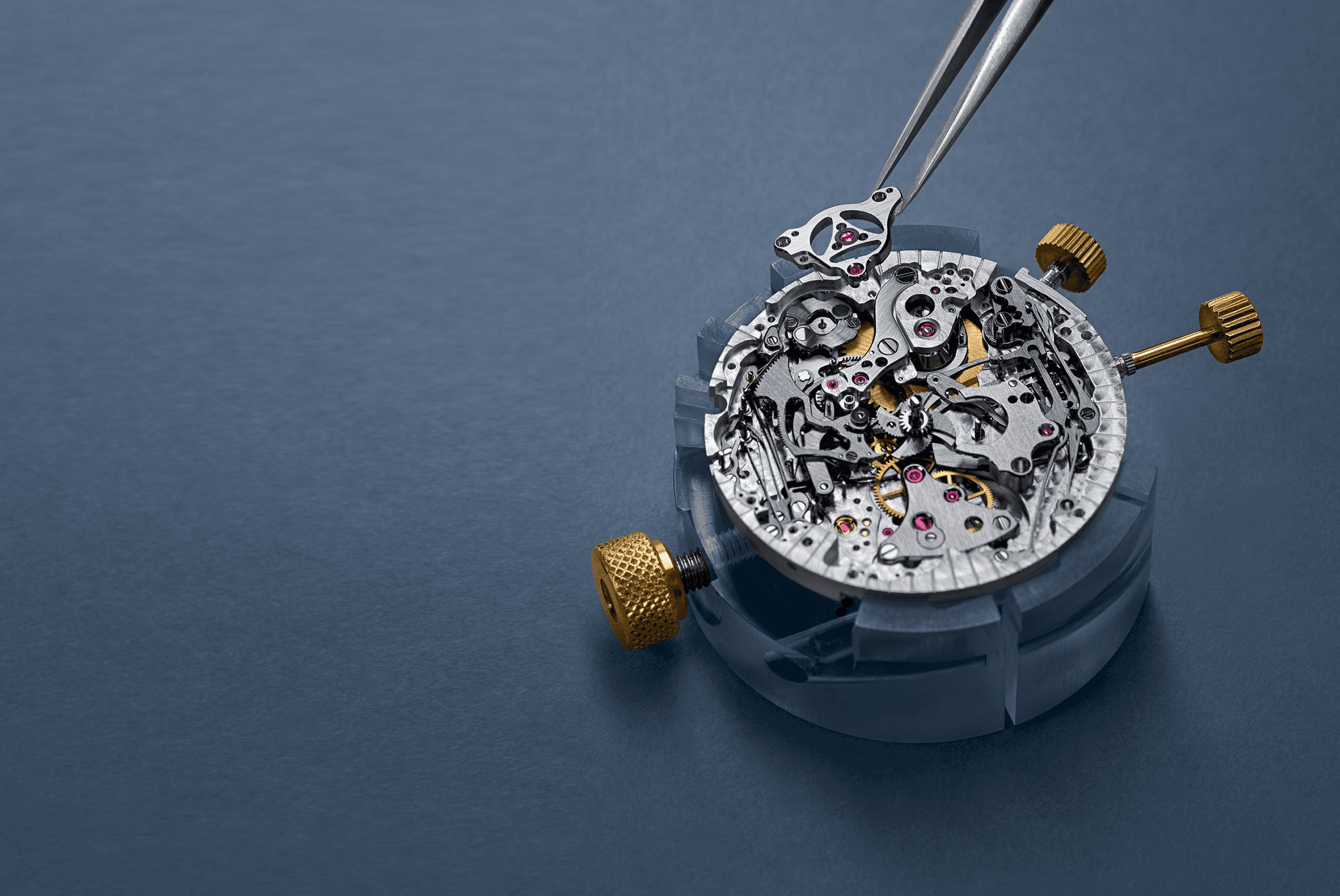
Complete Maintenance
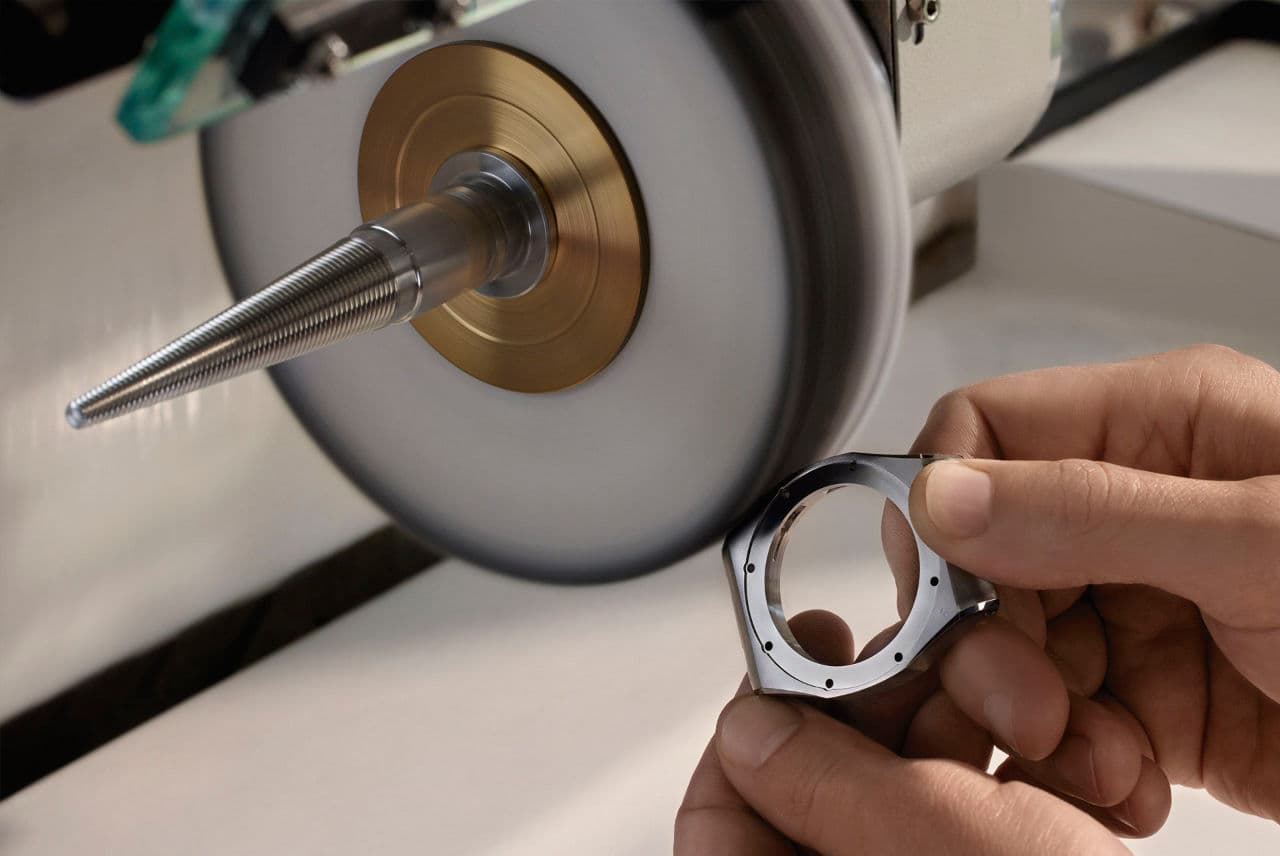
Watch Polishing
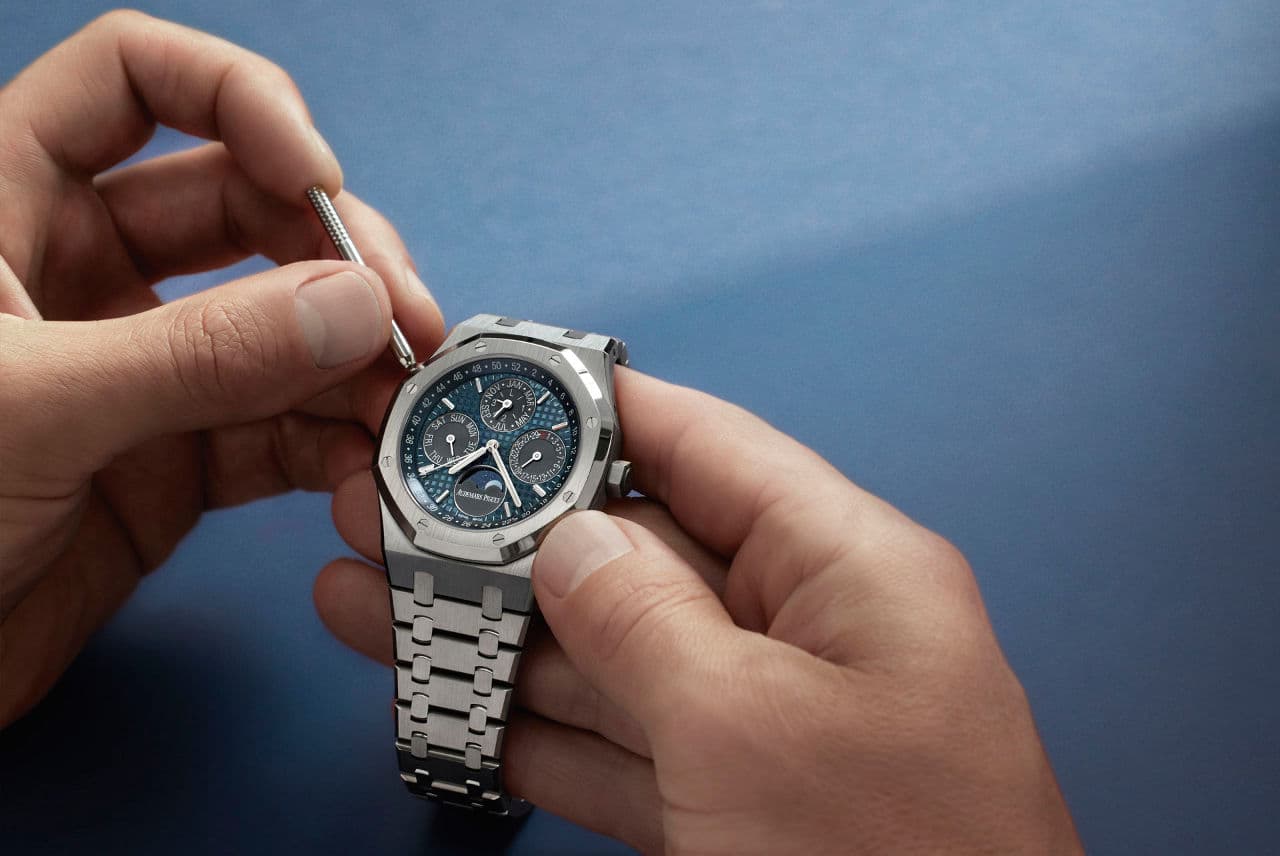
Strap Assortment
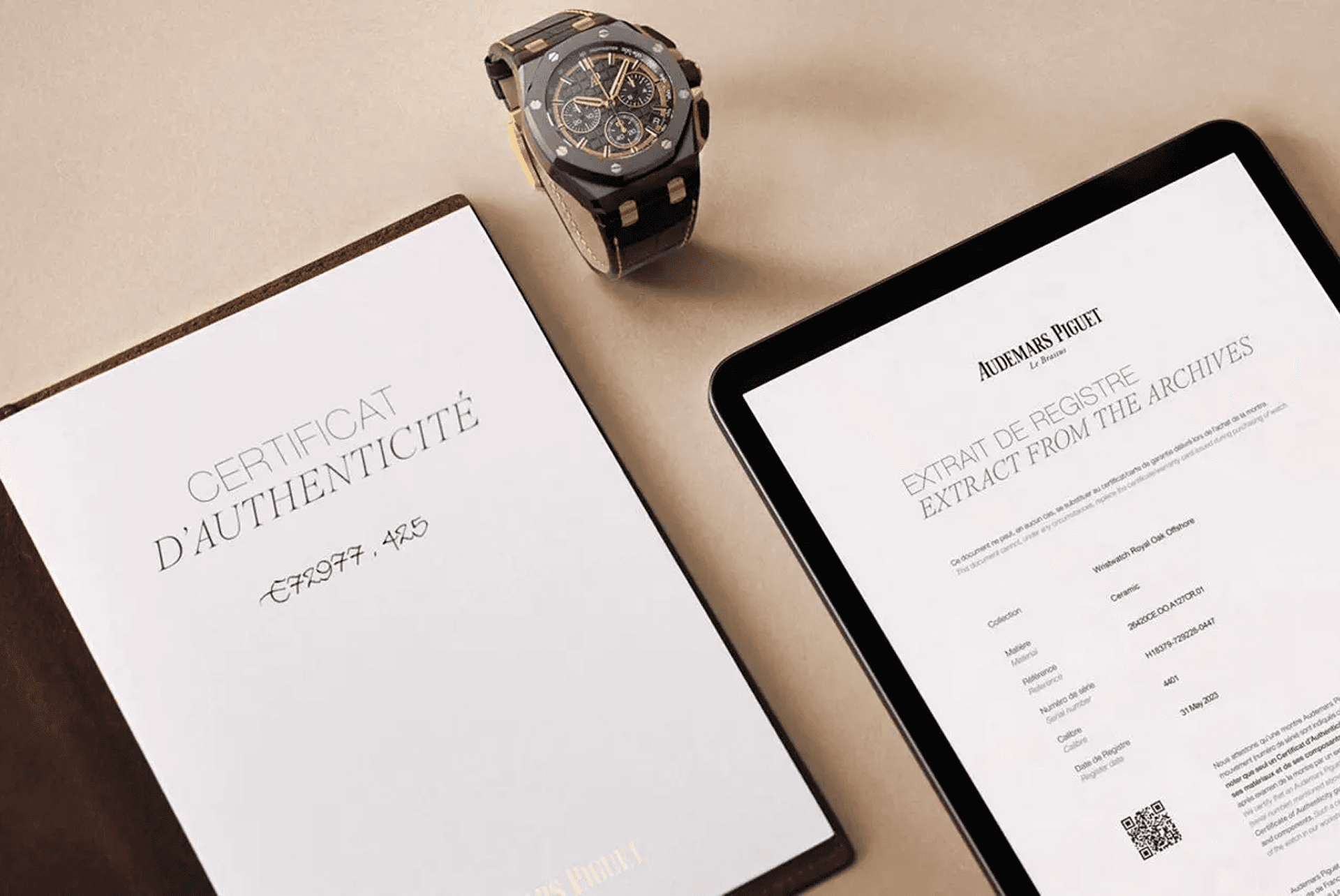
Verifying Watch & Documents
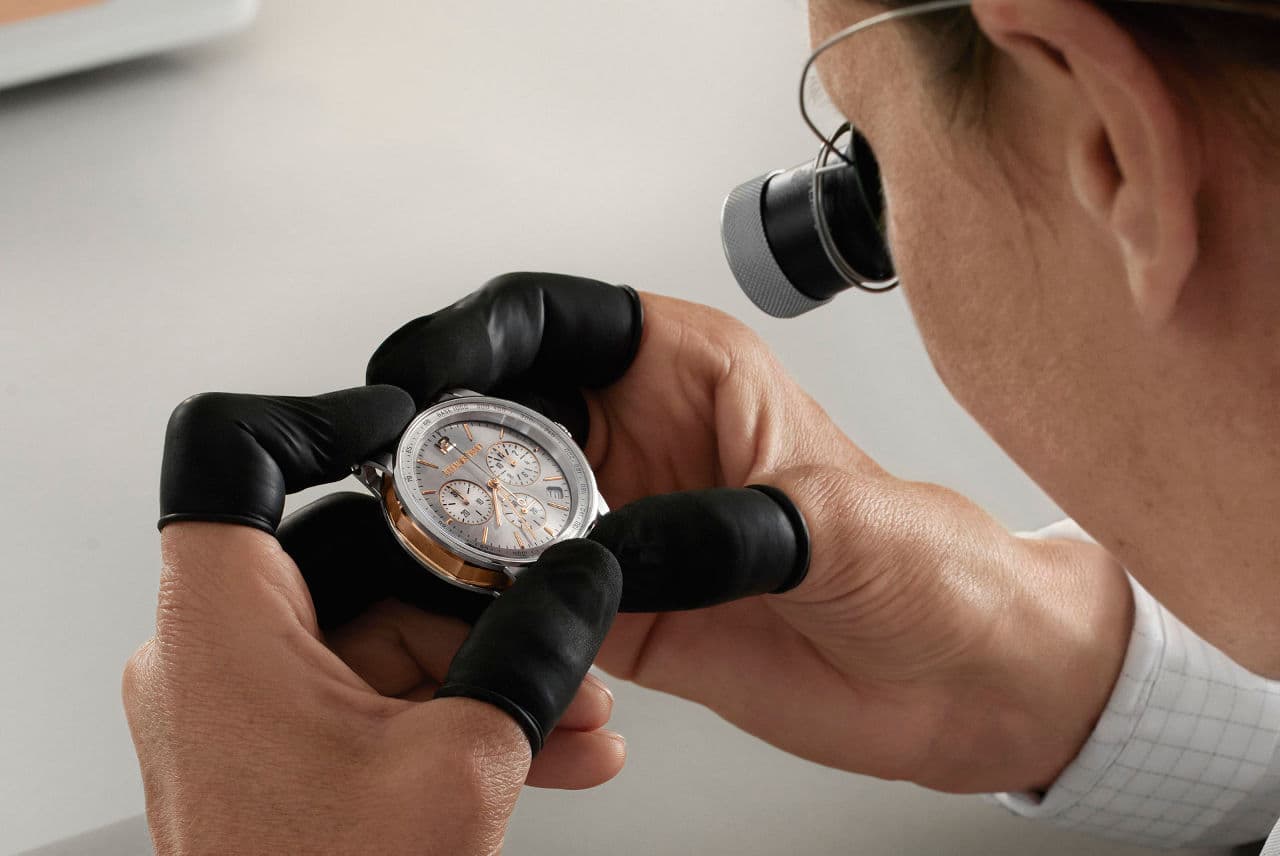
Periodical
Check-ups
Check your watch's chronometric performance, functions as well as state of water-resistance and magnetisation every year. This complimentary check-up in our boutiques is however not warrantied.
Plan an appointment